Understanding Wärmepumpe Kaufen: The Basics
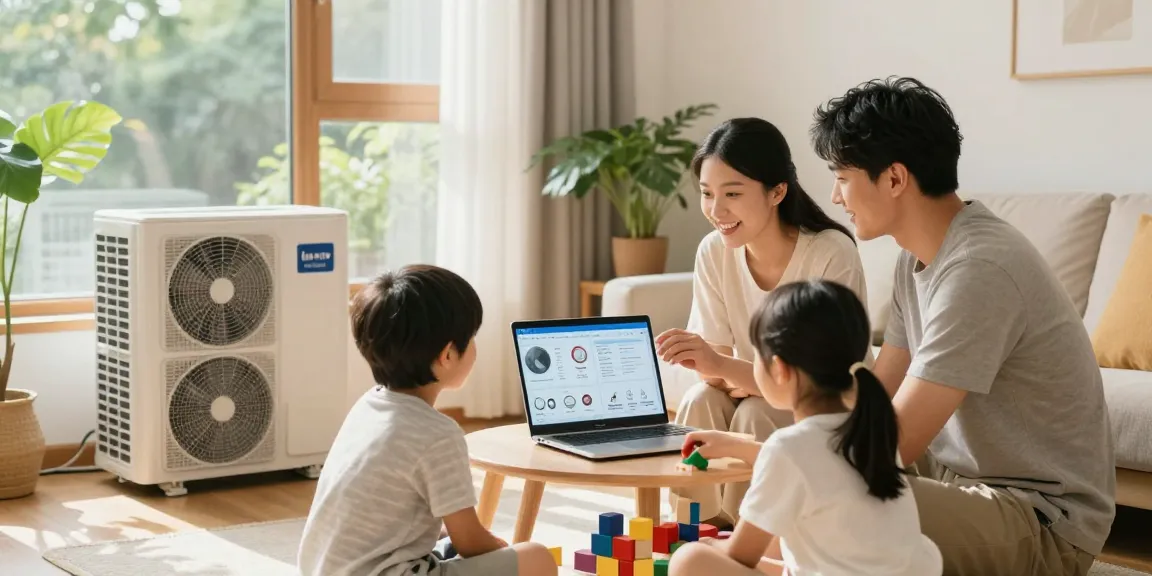
In recent years, the adoption of heat pumps, or wärmepumpen, has surged dramatically, driven by the need for more efficient and environmentally friendly heating options. A heat pump is an innovative technology that can provide heating, cooling, and hot water for your home by transferring heat from one place to another. Understanding what a heat pump is and how to effectively wärmepumpe kaufen can be pivotal for homeowners looking to improve energy efficiency and reduce carbon footprint.
What is a Wärmepumpe and How Does It Work?
A Wärmepumpe operates by extracting heat from the air, ground, or water and transferring it into your home. The process uses a refrigeration cycle that includes a compressor and a heat exchanger, allowing the heat to be absorbed and released as needed. This technology means that, even in colder temperatures, a heat pump can efficiently provide heating by compressing refrigerant gas, which increases temperature before circulating it indoors.
Benefits of Choosing a Heat Pump for Your Home
- Energy Efficiency: Heat pumps can be up to three times more efficient than traditional heating systems, as they transfer heat rather than generate it, leading to significant energy savings.
- Environmental Impact: Using renewable energy sources, heat pumps produce fewer carbon emissions compared to fossil fuel-based heating systems.
- Versatility: Many heat pumps can both heat and cool your home, allowing for year-round comfort without needing separate systems.
Types of Wärmepumpen Available on the Market
There are several types of heat pumps to choose from, including:
- Air Source Heat Pumps: Extract heat from the outside air and are the most common type for residential use.
- Ground Source Heat Pumps: Use the stable temperatures of the ground to provide heating and cooling, typically requiring more extensive installation.
- Water Source Heat Pumps: Extract heat from nearby bodies of water and are less common due to specific site requirements.
Evaluating Costs: What to Expect When Buying a Wärmepumpe
When considering the purchase of a heat pump, it’s crucial to understand the costs involved, including both initial investments and potential long-term savings.
Initial Investment: Purchasing and Installation Costs
The initial cost of a Wärmepumpe can vary significantly based on the type of pump and the size required for your home. On average, homeowners may expect to pay between €8,000 and €20,000, including installation. Factors influencing the cost include:
- Type of heat pump selected
- Size and insulation of your home
- Complexity of installation
Long-term Savings: Energy Efficiency and Cost Benefits
While the upfront costs may seem high, the long-term savings associated with heat pumps are significant. Due to their efficiency, heat pumps can reduce energy costs by 30-40% compared to conventional heating systems. Over time, these savings can offset the initial investment and contribute to a lower overall cost of ownership.
Available Incentives: Government Subsidies and Grants
Many countries offer financial incentives to encourage the adoption of energy-efficient systems, including heat pumps. Homeowners should investigate available subsidies and grants that can significantly reduce the purchase price, making it more financially viable to wärmepumpe kaufen.
Choosing the Right Heat Pump: Key Considerations
Selecting the right heat pump for your home is essential to maximizing efficiency and comfort. There are several factors to consider in this process.
Assessing Your Home’s Heating Needs
Understanding the heating requirements of your home is critical. Factors such as square footage, insulation quality, and local climate can influence the capacity of the heat pump you should select. An HVAC professional can perform a detailed assessment to help you make the right choice.
Comparing Brands and Models for Best Performance
Not all heat pumps are created equal. It’s essential to research different brands and models, focusing on their efficiency ratings, warranty provisions, and customer reviews. Leading brands often provide better performance and reliability, translating to lower long-term costs.
Common Misconceptions About Heat Pumps
Despite their advantages, there are misconceptions about heat pumps. For instance, some may believe that they are ineffective in colder climates; however, modern heat pumps are designed to operate efficiently even in low temperatures, making them a viable option for most areas.
Installation and Maintenance of Your Wärmepumpe
Proper installation and maintenance of a heat pump can maximize its lifespan and efficiency, making it essential to understand the process involved.
Preparing Your Home for Installation
Before installation, homeowners should prepare their property by ensuring there is adequate access for technicians and that the installation area is clear. It may also involve upgrading insulation or ductwork to enhance efficiency.
Long-term Maintenance: Ensuring Efficiency
Regular maintenance is vital in keeping your heat pump running efficiently. This includes:
- Annual check-ups by a qualified technician
- Regularly changing filters
- Keeping the outdoor unit free of debris
Signs Your Heat Pump Needs Professional Help
Being aware of the signs that your heat pump may require servicing is crucial. Look out for unusual noises, decreased heating or cooling efficiency, and increased energy bills. Addressing these issues promptly can prevent more significant problems down the line.
Future Trends in Wärmepumpe Kaufen: What to Look For in 2026
The heat pump industry is continually evolving, driven by technological advancements and a growing emphasis on sustainability.
Technological Innovations in Heat Pump Systems
Emerging technologies, such as smart controls and enhanced refrigerants, are making heat pumps more efficient and user-friendly. For instance, integrating IoT technologies can enable remote monitoring and management of heating systems, simplifying maintenance and performance optimization.
Sustainability and Environmental Impact Considerations
As sustainability becomes a core concern, the use of heat pumps aligns with efforts to reduce carbon footprints. With increasing regulations on emissions, investing in a Wärmepumpe represents a proactive approach to environmentally responsible living.
The Growing Market Demand for Heat Pumps
With rising energy costs and a shift towards renewable energy, the demand for heat pumps is expected to continue to increase. Homeowners who adapt early to this trend may benefit from lower energy bills and increased property value.
Why Should You Consider Buying a Wärmepumpe?
The decision to purchase a heat pump is increasingly justified as more homeowners seek efficient, cost-effective, and environmentally friendly heating solutions. A Wärmepumpe can not only lower your energy expenses but also contribute positively to the environment.
What Are the Common Issues with Heat Pumps?
Some common issues with heat pumps include inadequate heating or cooling, especially if the unit is not correctly sized or maintained. Additionally, frozen outdoor units can occur in very cold weather, which can affect performance.
How Do I Know Which Size Heat Pump Is Right for My Home?
The appropriate size of your heat pump can be determined through a detailed calculation considering the heating needs of your home, local climate conditions, and insulation levels. Consulting a professional can provide accurate sizing to ensure optimal performance.
What are the Benefits of Heat Pumps Compared to Traditional Heating?
Heat pumps offer numerous advantages over traditional heating systems, including higher efficiency, lower operational costs, and reduced environmental impact. This makes them a smart investment for modern homeowners focused on sustainability.
How Can I Finance My Wärmepumpe Purchase?
Financing options for purchasing a heat pump include personal loans, home equity lines of credit, and specific financing programs offered by manufacturers or installers. Exploring these options can help make the transition to a heat pump more financially manageable.